
Many riders now rely on digital tools to estimate tire pressure before a ride. Road bikes today use wider tires and different rim widths than bikes from ten years ago. That change makes old pressure charts less useful. A simple calculator often gives a better starting number. The search for the best bike tire pressure calculator in 2026 usually begins after a rider notices small PSI changes affect comfort and speed. Two rides on the same road can feel very different. Pressure often explains that shift. A good calculator helps riders start in the right range, then adjust based on road feel.
What Riders Expect From a Good Tire Pressure Tool
Cyclists in 2026 look for calculators that stay simple but accurate. Most riders do not want complex formulas. They want a tool that asks a few useful questions and produces a clear PSI range.
Common inputs used in modern calculators include:
- Rider weight
- Tire width
- Tubeless or tube setup
- Rim width
- Front vs rear weight balance
The rear wheel carries more weight. Many calculators therefore suggest slightly higher PSI for the rear tire. Tools that show pressure in PSI and Bar also help riders who travel or use different pumps.
A reliable pressure estimate does not replace real ride testing. Riders often adjust the suggested value after a few rides.
Why Different Calculators Show Different Results
Riders sometimes compare several tools and notice different pressure numbers. This happens because calculators rely on different formulas. Some tools focus on rolling efficiency. Others give priority to grip and comfort. Both approaches have value depending on the rider’s goal.
A quick example explains this difference.
| Rider Weight | Tire Width | Calculator A | Calculator B |
|---|---|---|---|
| 75 kg | 28 mm | 72 PSI front / 78 PSI rear | 68 PSI front / 75 PSI rear |
Both results stay within a safe range. Riders often choose the pressure that feels more stable on the road.
A pressure estimate works best as a starting point rather than a fixed rule.
Road Bike Calculators Compared With MTB Calculators
Road bikes and mountain bikes require very different pressure strategies. Tire width and terrain change the ideal PSI. Road cycling usually focuses on speed and smooth rolling. Mountain biking focuses on traction and shock absorption.
| Bike Type | Tire Width | Typical Pressure |
|---|---|---|
| Road Bike | 25-32 mm | Higher PSI |
| Gravel Bike | 35-50 mm | Medium PSI |
| Mountain Bike | 2.0-2.5 inches | Lower PSI |
Mountain bike calculators often ask about terrain such as loose dirt or rocky trails. Road calculators usually rely on weight and tire width instead.
Riders often compare results from several tools before they choose a final PSI value. Differences between calculators usually stay within a small range. A detailed comparison appears in this guide on Silca vs SRAM tire pressure calculator accuracy which examines how two popular tools produce slightly different pressure results.
Best Bike Tire Pressure Calculator Apps Riders Use
Many cyclists now check pressure using mobile apps before a ride. These apps store rider weight and bike setups so pressure estimates appear quickly.
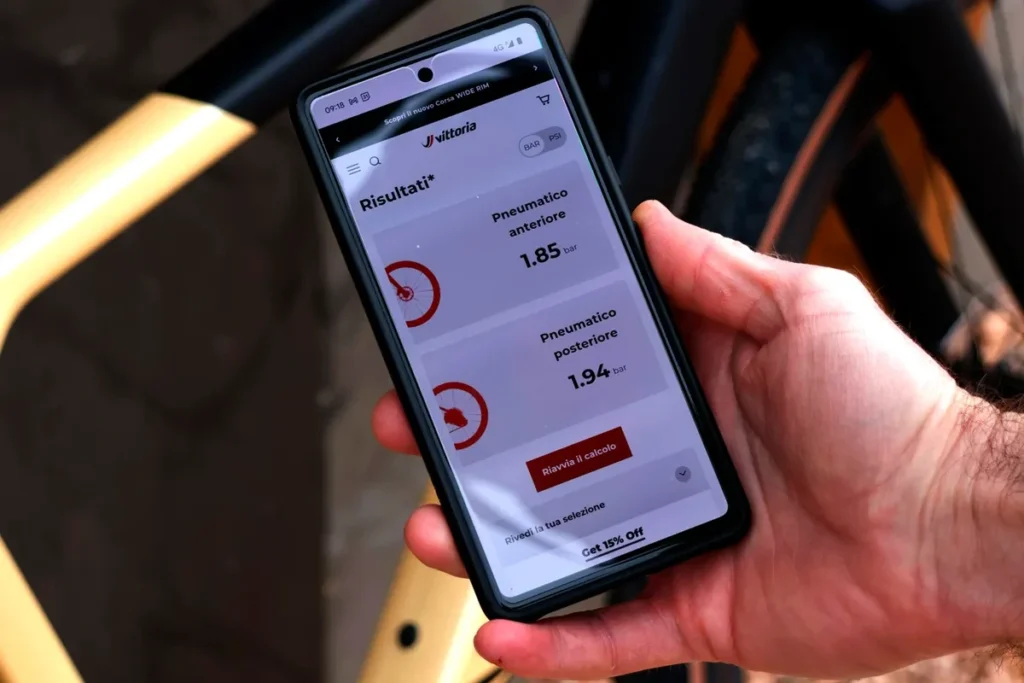
Common features in popular bike tire pressure calculator apps include:
- Bike profile storage
- Tire size memory
- PSI and Bar display
- Pressure suggestions for front and rear tires
Some riders still prefer web tools because they load faster and require no installation.
A browser-based option such as this road cycling tire pressure calculator allows riders to test different tire sizes quickly. Riders enter weight and tire width and receive a pressure estimate in seconds. Quick tools help riders experiment before they adjust pressure with a pump.
Why Brand Calculators Became Popular
Several well-known cycling brands provide pressure calculators. These tools often appear in cycling discussions.
Examples include calculators from SRAM, Zipp, and Continental AG.
Brand calculators usually rely on testing done with their own tires or wheels. Riders often compare results from multiple tools before they choose a final PSI value. Small differences between calculators usually stay within five PSI.
Small Factors That Change Tire Pressure Results
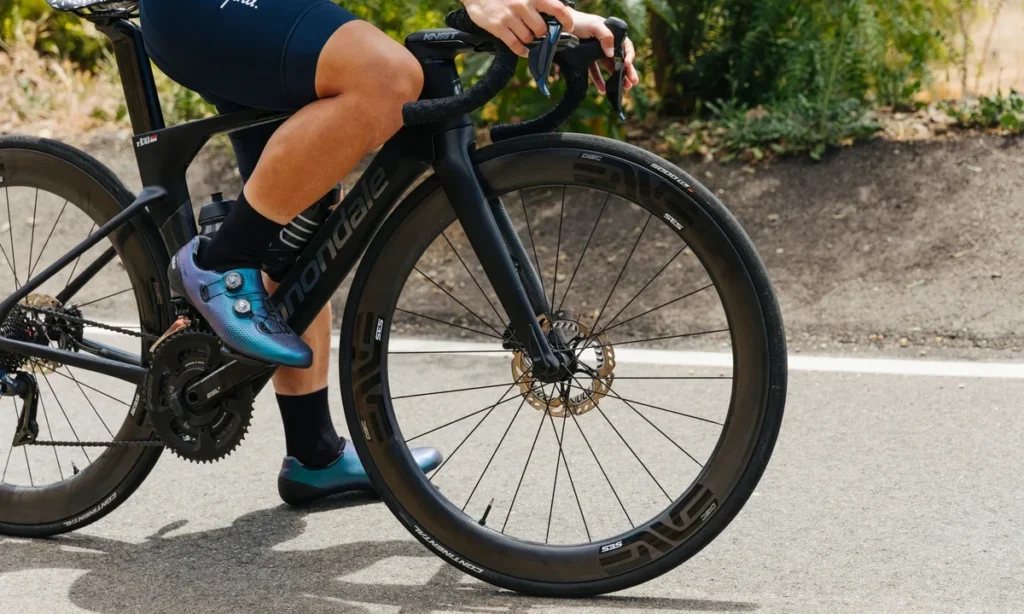
Pressure calculators provide estimates, but real riding conditions still matter. Small changes can shift the ideal PSI.
Several factors affect tire pressure:
- Temperature changes air pressure slightly
- Rim width supports the tire differently
- Tire casing strength affects flex
- Road surface quality changes vibration
Cold air reduces pressure slightly. Warm air increases pressure. Riders who train in changing climates sometimes adjust pressure by two or three PSI. Wider rims also allow lower pressure without harming performance. This change explains why many modern road bikes now use 28-32 mm tires.
Practical Example Riders Often Test
A simple example shows how riders apply calculator results.
A rider weighs 70 kg and rides an endurance road bike with 30 mm tubeless tires.
A typical calculator may suggest:
- Front tire: 60-65 PSI
- Rear tire: 65-70 PSI
The rider usually tests these numbers during the next ride.
If the road surface feels rough, the rider may reduce pressure slightly. If the bike feels slow on smooth pavement, the rider may increase PSI by a small amount. Most riders find a comfortable range after a few rides.
Questions Riders Ask About Bike Tire Pressure Calculators
What is the best bike tire pressure calculator app?
Different riders prefer different tools. Some cyclists choose apps that store bike setups. Others prefer simple browser calculators that estimate PSI quickly.
Do professional cyclists use pressure calculators?
Professional teams often start with a calculator estimate. Mechanics then adjust PSI based on rider preference, weather, and road surface.
Are mountain bike tire pressure calculators accurate?
MTB calculators give a useful starting range. Riders usually adjust pressure after short trail tests.
Can a motorcycle tire pressure calculator work for bicycles?
Motorcycle tires carry much heavier loads. Their pressure formulas differ from bicycle calculations. Riders should avoid motorcycle calculators for bicycle setups.
Does tire width affect calculator results?
Yes. Wider tires usually require lower pressure. Many modern road bikes use wider tires because they improve comfort and stability.
How Riders Refine Calculator Results
Pressure calculators help riders reach a starting PSI. Real road experience usually shapes the final choice. Many cyclists check calculator estimates first, then adjust pressure after test rides. Small changes often improve comfort and control.
Riders who want a deeper explanation of how rider weight and tire width affect PSI can also review this guide on how rider weight changes road bike tyre pressure, which explains how weight distribution affects front and rear pressure.